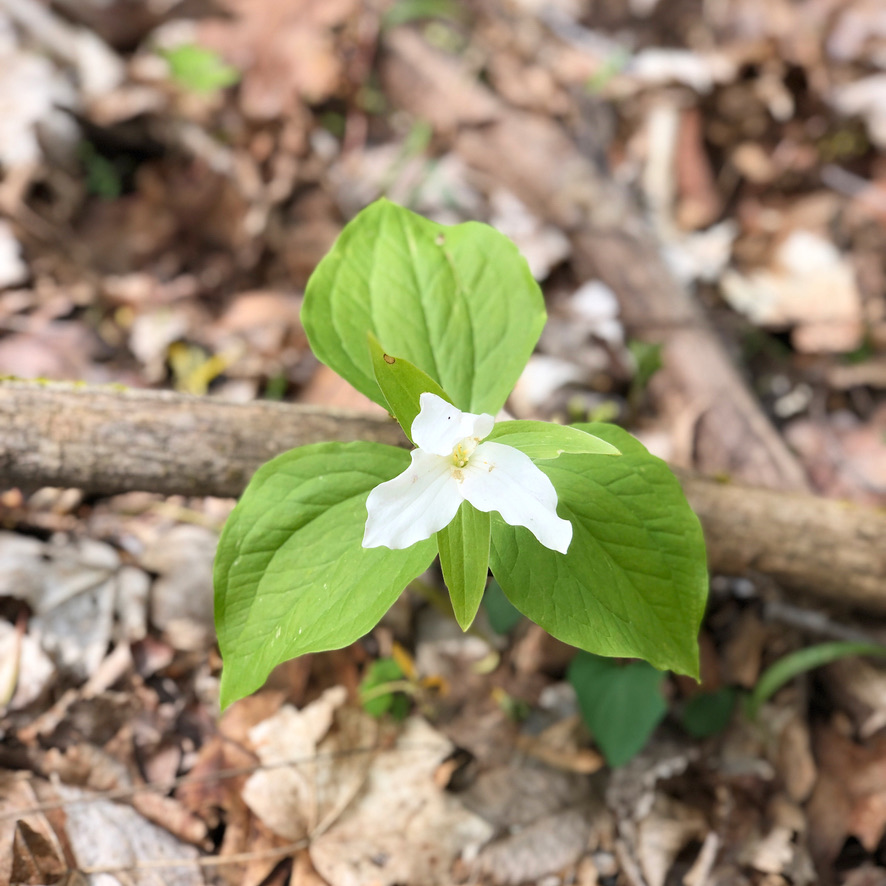
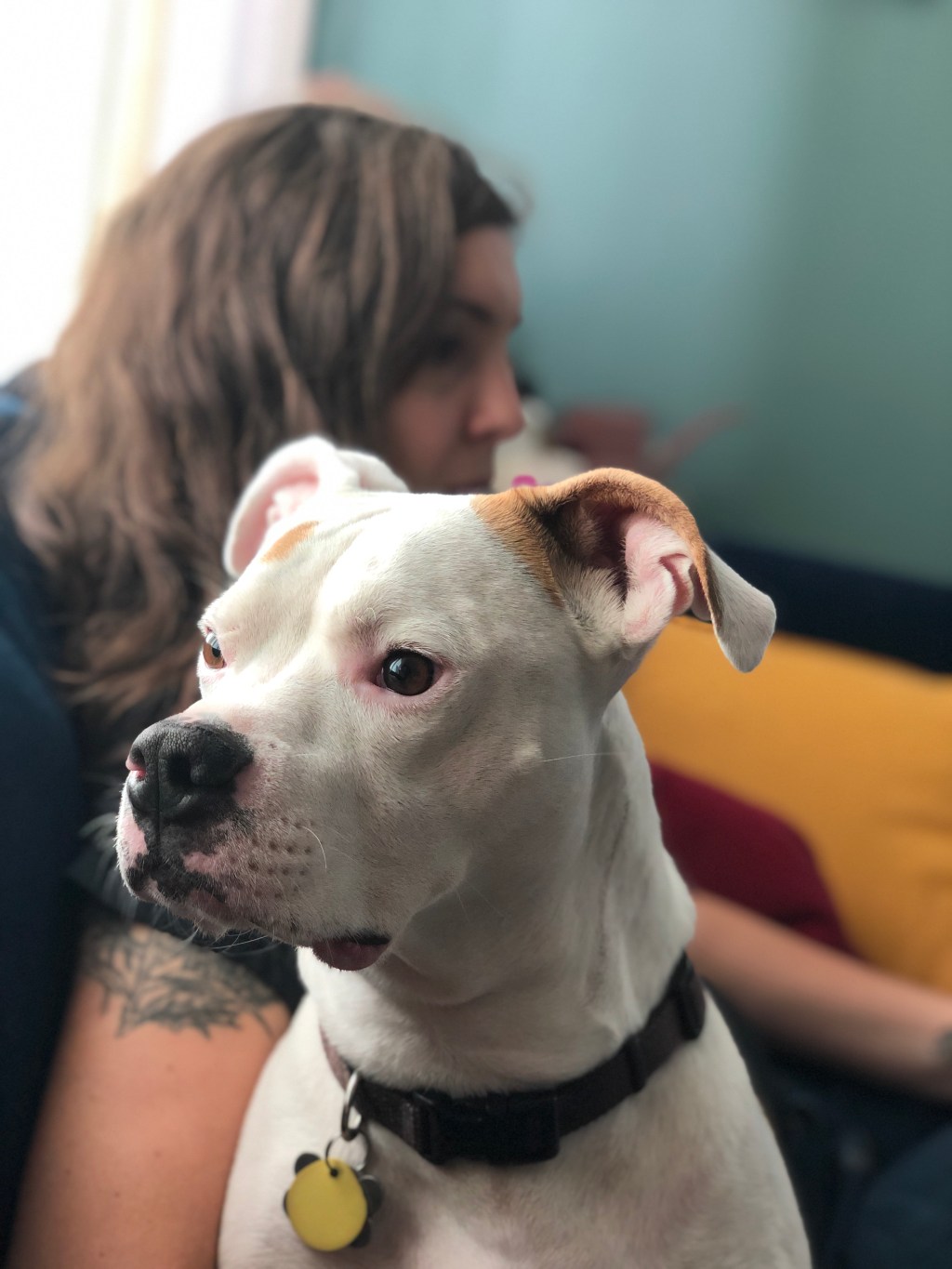
There are no stages of grief. There is no linear path. There is only how you feel from one moment to the next. Time doesn’t quite heal, but it does help it evolve. Shift. Integrate.
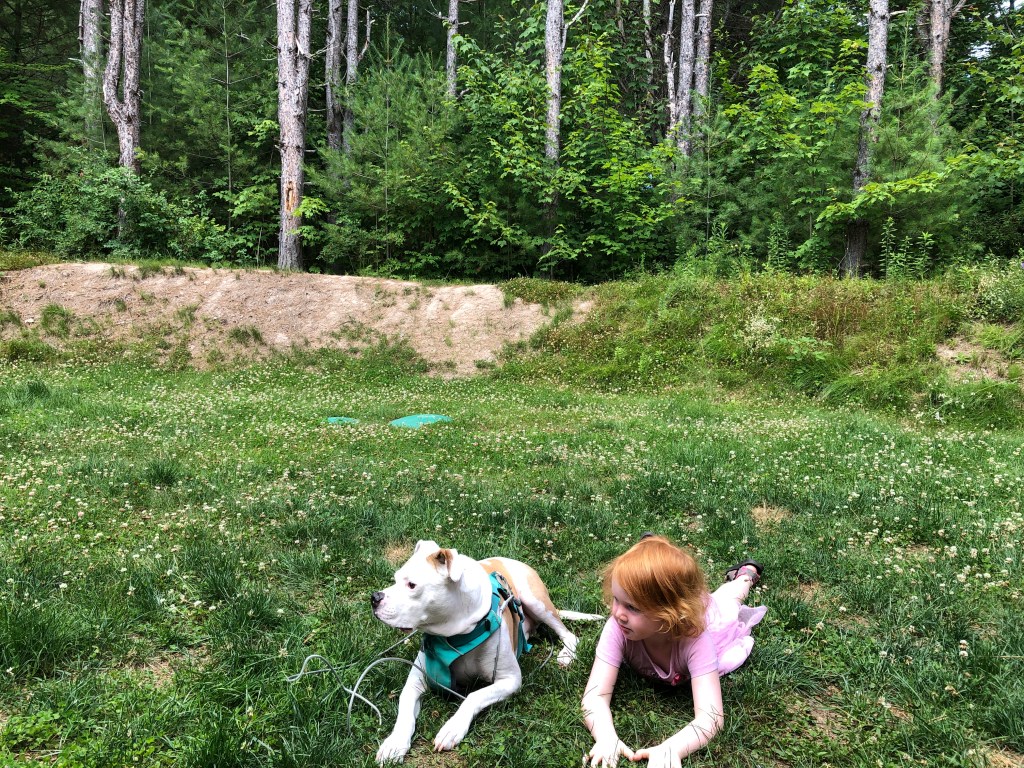
It’s been a year since we said goodbye to sweet Birch. I find myself searching for him when I come home. Looking in the back seat to see him sleeping on road trips. Keeping an eye out for his poop in our yard when I walk to the compost pile. These aren’t habits. These are ghosts.
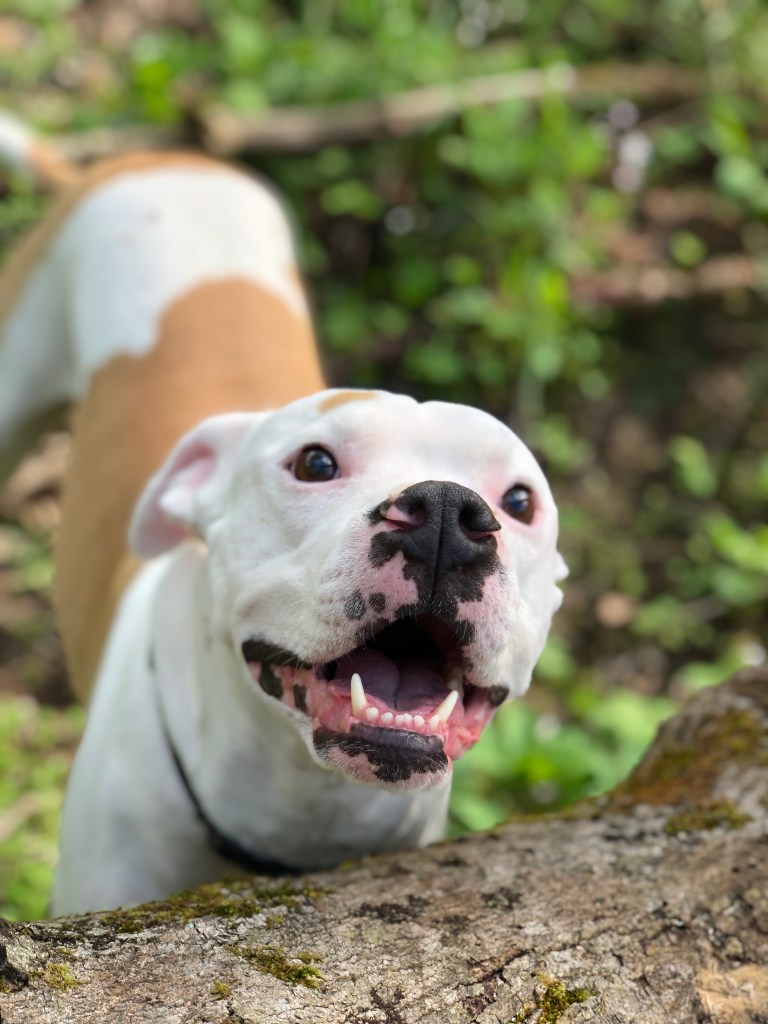
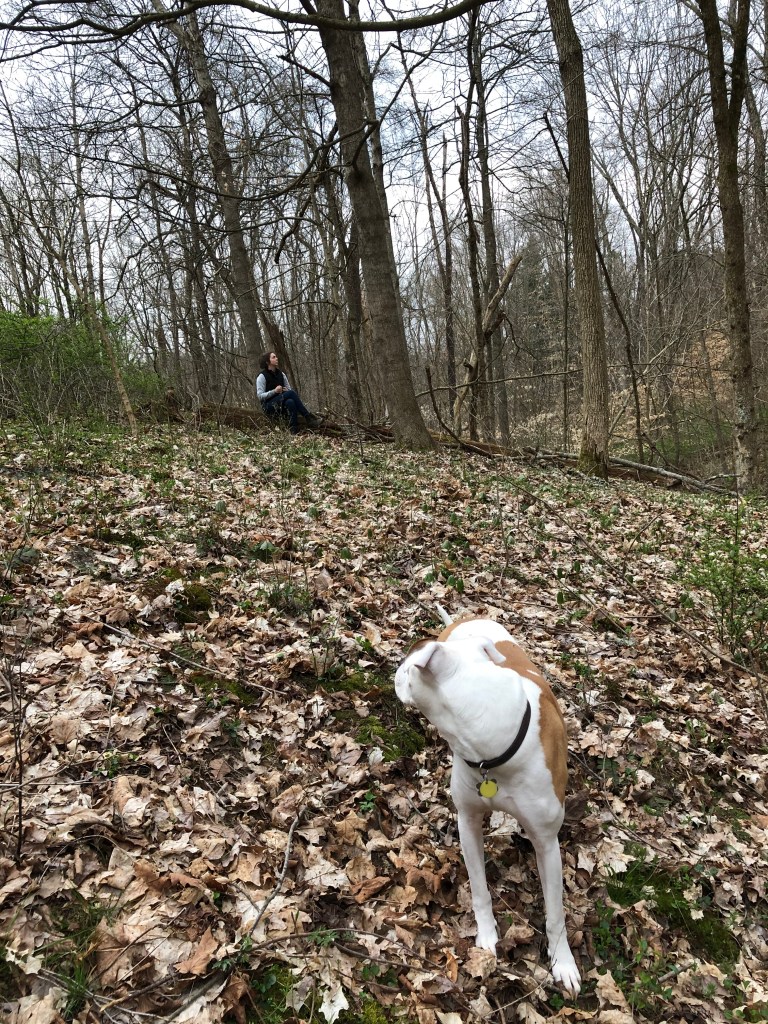
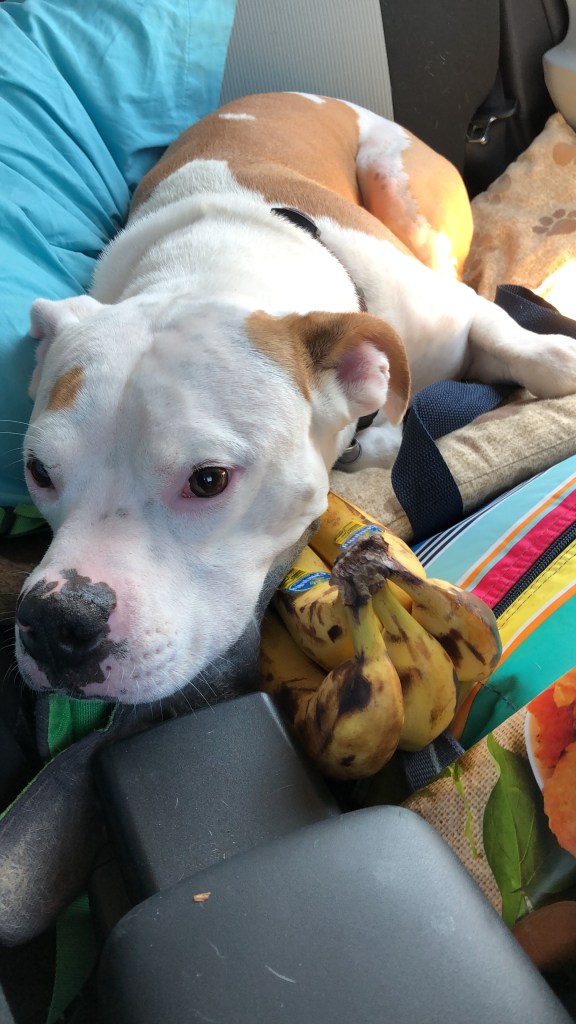

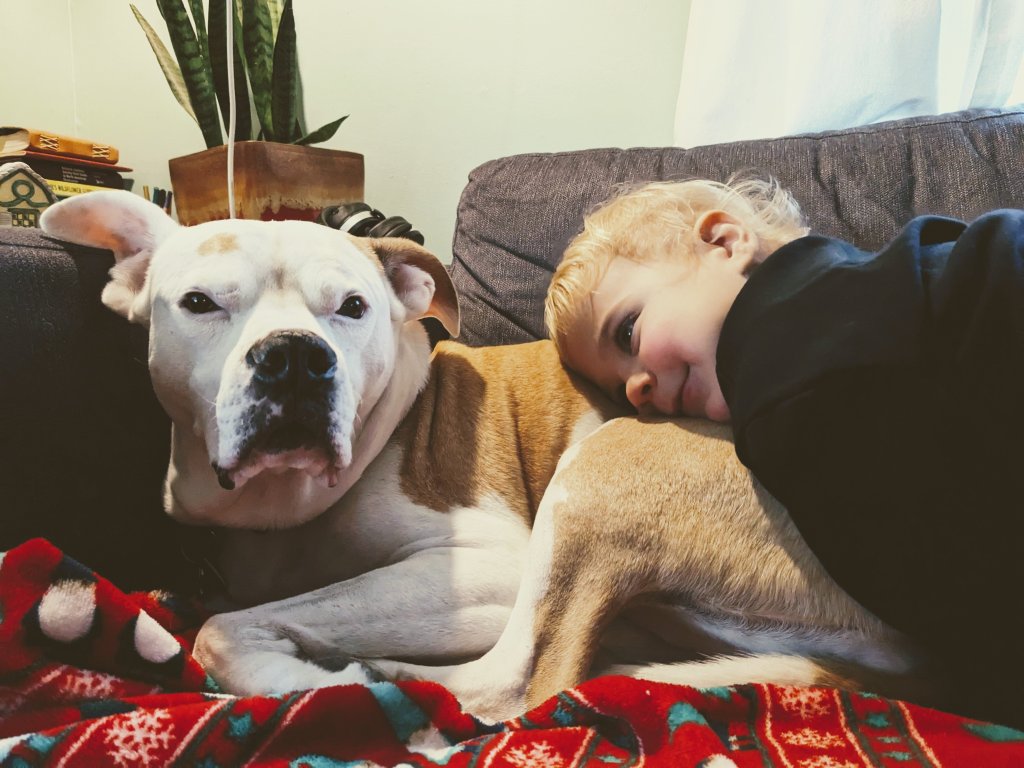
Birch, whether he was trained do it or not, was our therapy dog. When depression was at its highest, he comforted me. Gave me something to focus on that only gave good feedback, without worrying if I was being bad at socializing or bringing the mood in the room down. He gave me reasons to get outside walking. He let me brush him and pet him and pamper the heck out of him. For E, he helped soothe anxiety, relishing in her pets as she fidgeted with his ears or soft belly hair.
We all relied on each other. Losing that form of care was hard, and continues to be so.
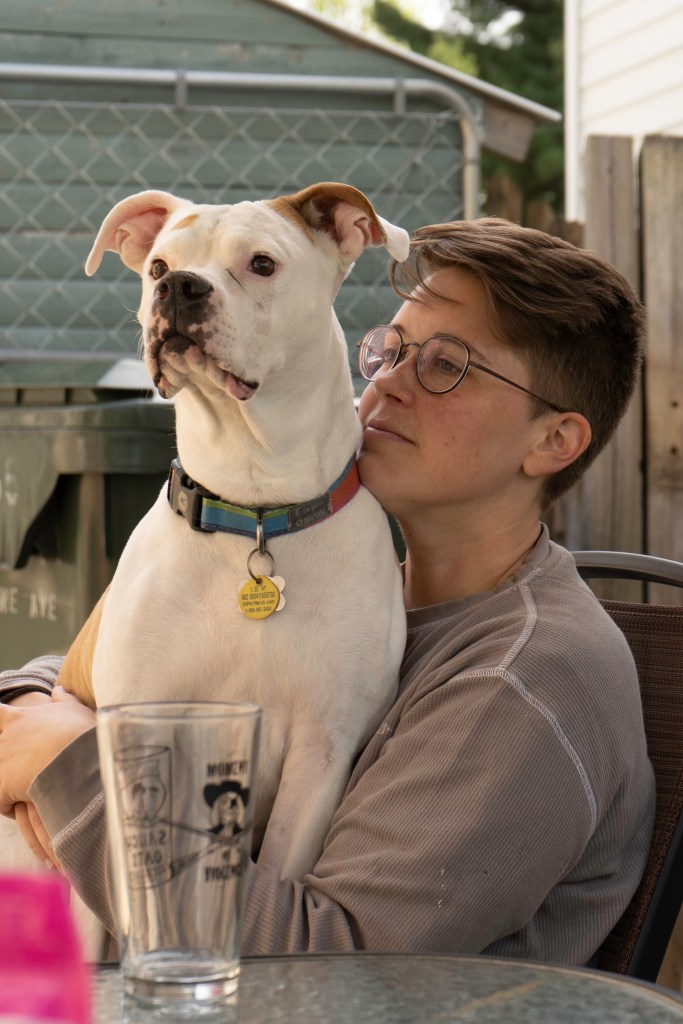
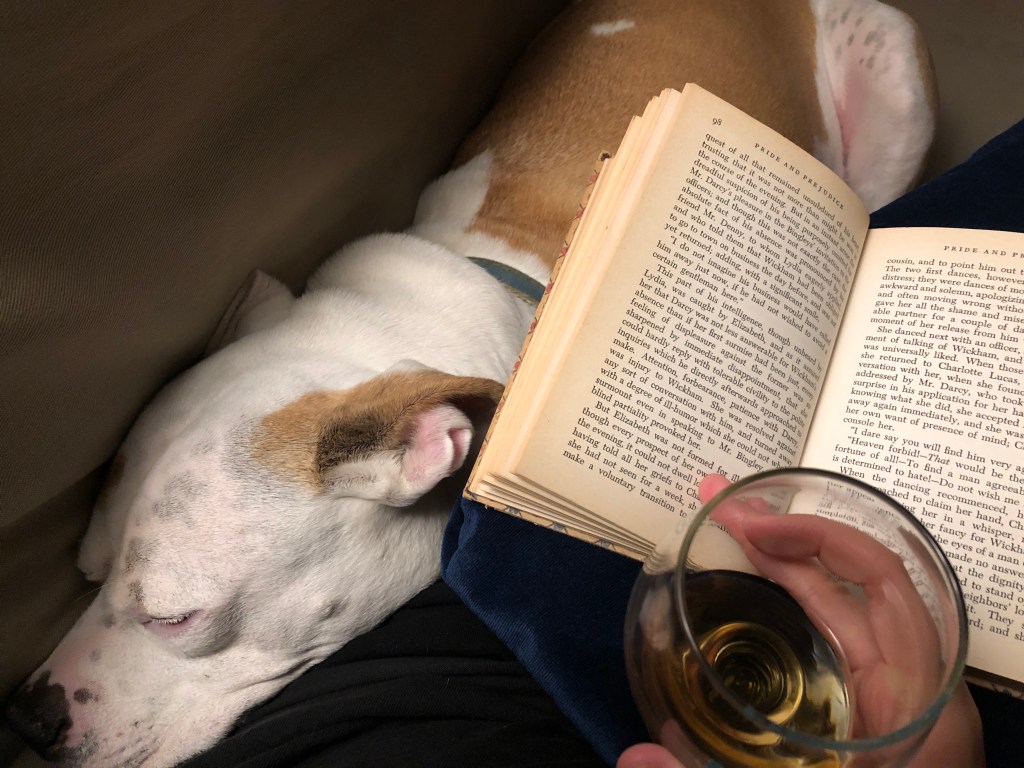
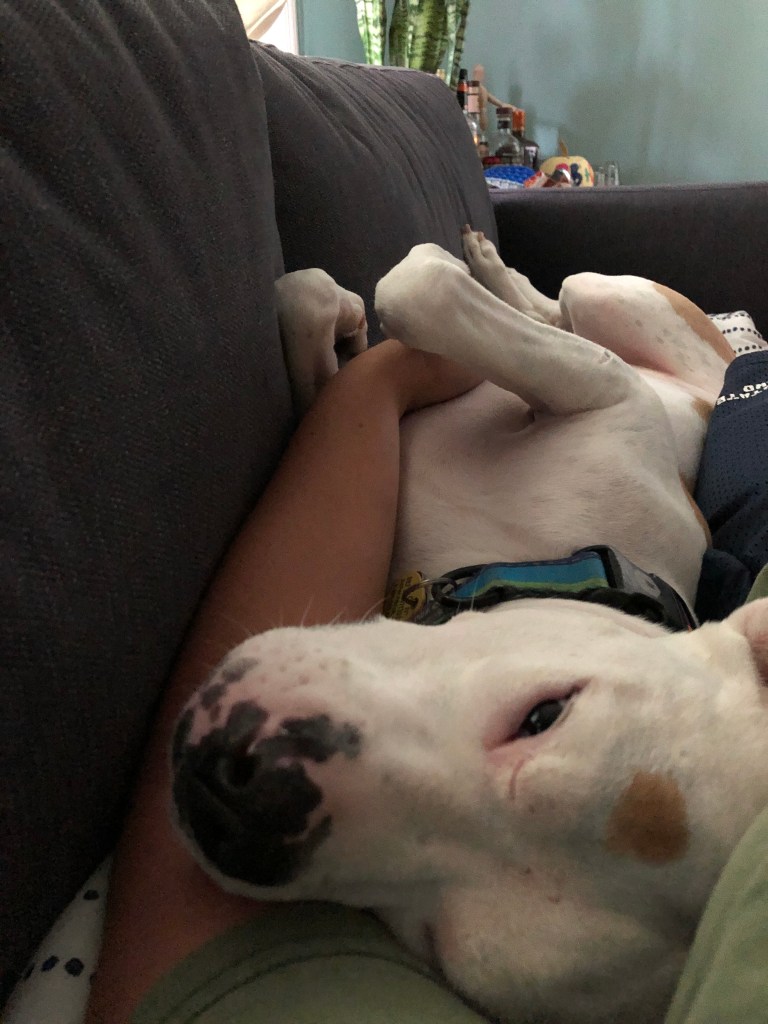
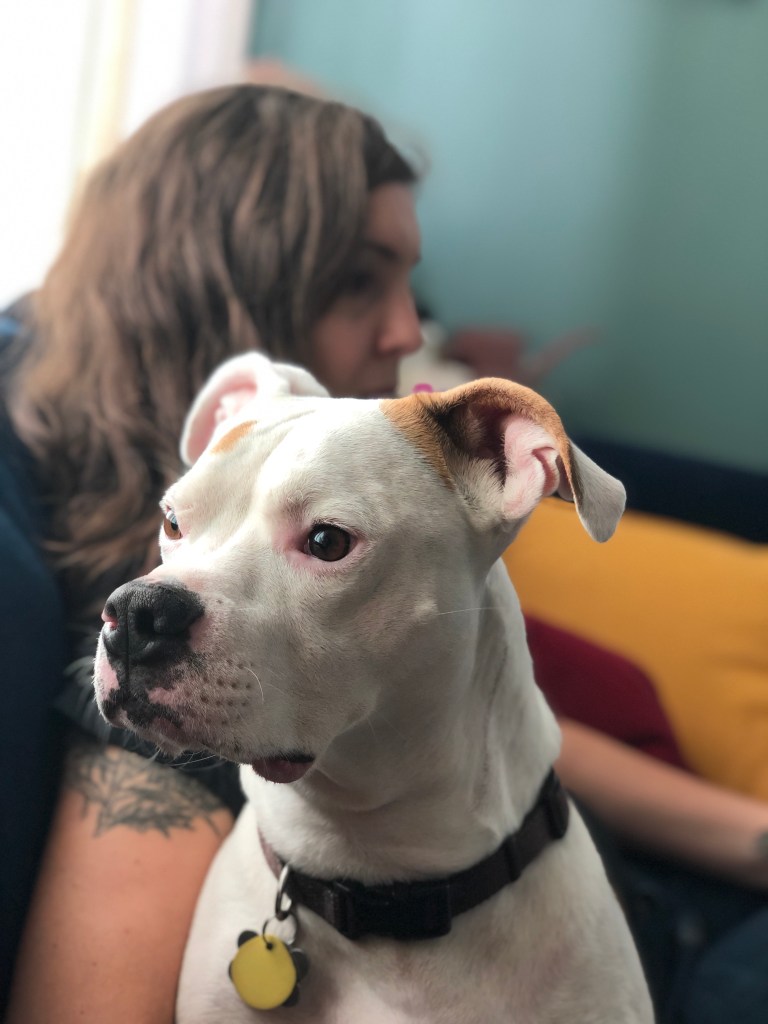
I recently dog sat for a friend. I knew it would be both healing and incredibly hard. Porkchop (what a good name) has a lot of qualities Birch did. Cuddly. Calm. Gentle. Quiet. Sweet.
What I hadn’t anticipated was that Porkchop would be nursing an injury. He had split a toenail and was on antibiotics and pain meds. When he was left alone he had to wear a cone so he wouldn’t lick at it and infect it. I was thrown back into the final months of caring for Birch. The medication schedules. Watching surgery wounds heal slowly. Worrying over every little breath.
The weekend of caring for Porkchop wasn’t nearly as intense as Birch post-surgery or in his final, brain-tumor haze. Not even close. Yet, there were enough rituals (the cone, the meds) that it opened the door for those memories to flood once again.
I’m grateful for my weekend with Porkchop. And I’m grateful he needed a bit of medical care. It made me face the grief of a caregiver in very specific, nuanced ways.
The day after Porkchop’s owner picked him up was the one year mark of Birch’s passing. E and I had decided it was time to take his ashes and alter down from on top of our piano. We didn’t want to just take it down and and put it away, though. We wanted a ritual. A marker of the significance of the moment.
My in-laws went to Iceland last year and brought us back to small bottles of Bjork liquor, birch tree liquor. We opened one up and poured two little glasses.
With his ashes, collar, and bandana, we sat on the floor in our living room and shared our favorite stories of our sweet boy, clinking glasses and taking a sip after each share. When the glasses were empty, we got up and lovingly put his things away and went on a long walk.
Rituals are everything.
I’ve been re-learning the power of ritual. Growing up, I was incredibly religious, even giving a sermon when I was in 5th grade. By the time I was a late teenager, that faith in a dogmatic religion was gone… but not my spirituality. I was a bit untethered, missing the comfort of the ritual of service every Sunday. I tried to find it in the woods, with friends, with a French press of coffee and a book on Sunday mornings. It mostly worked.
And then I read The Power of Ritual by Casper Ter Kuile.
Using his Masters of Divinity, he goes through the four parts of spirituality (self, others, nature, transcendence), takes traditional religious rituals (service, praying, communion, etc) and transforms them into a modern, non-religious life. He shows you how to create your own rituals to match your spirituality and emphasized why we need ritual. Not habit, but ritual. Something you do with intention.
I started turning some of my habitats into rituals. Sunday morning coffee and a book became sacred time for me. Hikes in the woods, communion. Time with friends, service. I built rituals around important moments. Saying goodbye to my childhood home when my parents moved. Winter solstice. Birthdays. Grief.
The ritual we created for Birch gave us the type of closure just putting his stuff away wouldn’t have. It let us cry, feel all of the messy feelings, and know that it was the time and place for them. It allowed us to say goodbye again, with intention. With care. With love.
His ashes may no longer be on an altar in the living room, but they are helping the birch tree in our yard grow. We’re going to scatter some at the land. E is going to put some in glaze and make a pottery piece with them.
Grief is messy and there are no stages, only cycles. But rituals can help mark a moment in time, acknowledge the pain, and help it move through your body without destroying you.
Here’s to creating rituals for yourself and for your community.
 Now At A Farm